
Harnesses for Dogs
A dog harness spreads the pull across the chest and shoulders instead of the neck – it is gentler than a collar, and when fitted correctly your dog cannot slip out. Choose by size and chest girth and by purpose: walks, car travel, training or escape-proof harnesses for runaways.
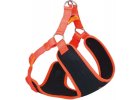
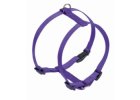
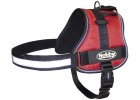
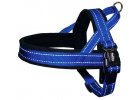



Product sorting
List of products

A lightweight, light-up LED Norwegian-style nylon harness that shines for up to 2 hours in 3 different modes, visible from up to 500 m away, and...


Lightweight LED nylon Norwegian-style harness that glows for up to 2 hours in 3 different modes, visible from up to 500 m, USB rechargeable....

Lightweight LED nylon Norwegian harness that glows for up to 2 hours in 3 different modes, visible from up to 500m, USB rechargeable. Adjustable...


Lightweight illuminated LED Norwegian harness made from nylon, glowing for up to 2 hours in 3 different modes, visible from up to 500 m, USB...


Lightweight illuminated LED Norwegian-style nylon harness, glowing for up to 2 hours in 3 different modes, visible up to 500 m away, USB...

Listing controls
How to choose a dog harness
Size: chest girth is what matters – measure your dog at the widest point just behind the front legs. Two fingers should fit between the harness and the body.
Type: Norwegian harnesses are quick to put on, chest and Y-shaped ergonomic harnesses leave the shoulders free, and H-shaped and escape-proof harnesses hold even dogs that back out. For the car, use a safety harness.
Harnesses for dogs are a practical alternative to classic collars. Dog harnesses are built so they can't twist, slip or be wriggled out of. 4 tips for choosing a dog harness.
Frequently asked questions
Harness or collar?
A harness is gentler – the pull is spread across the chest and shoulders and does not strain the neck or windpipe. Ideal for small breeds and dogs that pull.
How do I measure my dog?
Measure the chest girth at the widest point just behind the front legs. If between two sizes, choose the larger one.
Which harness stops pulling?
Training harnesses with a chest ring gently turn the dog sideways when it pulls. They work best together with loose-lead training.
Which harness for a dog that slips out?
Escape-proof and H-shaped harnesses have a second strap behind the ribcage that the dog cannot back out of.
Which harness for a puppy?
A light, soft and adjustable mini harness with room to grow.