
Cat Toys
Toys aren’t a luxury for a cat – they’re a biological necessity. Cats are born hunters, and both their brain and body need daily stimulation that mimics natural hunting behaviour. Without enough exercise and mental stimulation, cats quickly become bored and stressed, leading to behavioural problems – destructive scratching, aggression, overeating or, conversely, apathy. The right toys are the simplest and most natural way to prevent these problems.
#ShowMore#
Cats have a natural hunting cycle made up of four stages: stalking, chasing, catching and the “kill”. The ideal toy mimics this cycle as closely as possible – moving unpredictably, changing direction, making sounds or giving off scents that resemble prey. A cat that regularly gets to “hunt” is mentally balanced, physically healthy and less prone to stress.
The main types of cat toys and what they’re for:
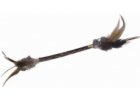
- Wand toys and rods – the most natural form of interactive play, engaging the stalking and chasing instinct. By moving the wand you mimic the flight of a bird or the movement of a mouse – the cat focuses completely, jumping, twisting and exercising its reflexes. Ideal for daily play sessions lasting 10–15 minutes.
- Catnip and valerian toys – catnip triggers a euphoric reaction in around 50–70% of cats, lasting 5–15 minutes and followed by a period of reduced sensitivity. Valerian works in a similar way but through different receptors – it affects even cats that ignore catnip. These toys are great for independent play and stress relief.
- Interactive toys and puzzles – stimulate mental activity and a cat’s natural instinct to seek out and obtain food. The cat has to work out how to get the reward – this keeps it occupied, tires it mentally and reduces the risk of boredom. Especially good for cats living indoors without access outside.
- Electronic and wind-up toys – move on their own, letting the cat play even when its owner isn’t around. Best used as a supplement to interactive play, not a replacement – cats also need shared play with a person to build the relationship and social bond.
- Plush and crinkly toys – used for biting, kicking with the back paws and “killing the prey”. Cats grip them with their front paws and kick furiously with their back legs – this behaviour is natural and healthy. Crinkly materials mimic the sound of moving prey and increase the cat’s interest in the toy.
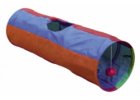
- Tunnels – satisfy a cat’s natural instinct to hide, lie in wait and pounce. Tunnels are great for multi-cat play and for cats with a higher activity level.
It’s also important to rotate toys regularly. Cats get bored of the same stimulus very quickly – a toy that fascinates them today might hold no interest tomorrow. By putting toys away and swapping them round, you keep them feeling new and keep your cat’s interest up long-term.
Practical tips for playing with your cat:
- Play with your cat twice a day for 10–15 minutes – ideally morning and evening, when cats are naturally most active.
- Always end a play session by letting the cat “catch and bury” the toy – an unfinished hunting cycle causes frustration. After play, give your cat a small treat as a stand-in for the “prey”.
- Don’t leave catnip toys out – seal them in a bag or tub to preserve the scent’s intensity and effect.
- Never let a cat play with string, elastic bands or small objects unsupervised – there’s a risk of swallowing and intestinal blockage.
- If your cat shows no interest in toys, try a different type – every cat has different preferences, and not every cat responds to catnip or electronic toys.
The right toy and regular play are an investment in your cat’s physical and mental health – and one of the loveliest ways to spend time together.





Product sorting
List of products

Karlie Simon's Cat Toy, green, for cats.

Karlie Simon's Cat toy, light grey, for cats.